
A Complete Guide to Air Compressor Automatic Drain Valves: Types, Benefits, and Selection

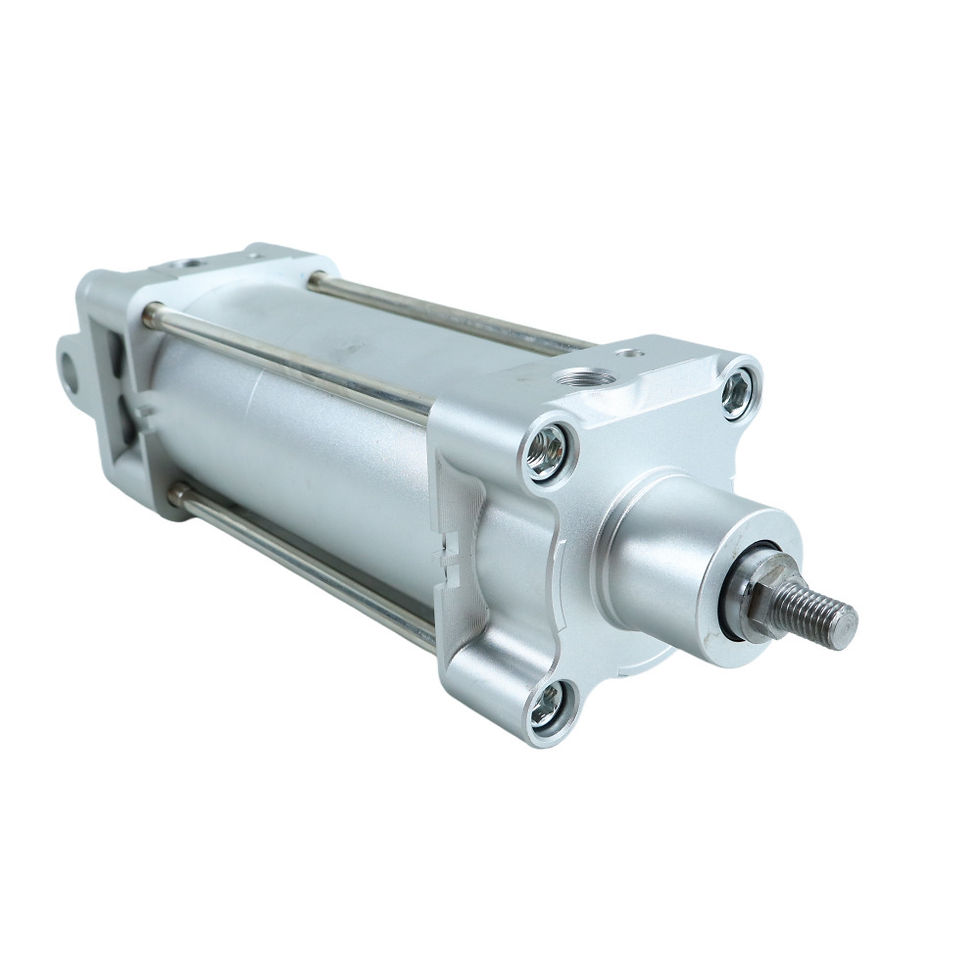
Discover why automatic drain valves (PA-68, AD402, YF-20A) are essential for industrial screw air compressors. Learn how to eliminate condensate, protect your equipment, and choose the right drain trap.
Introduction
In any compressed air system, water is an inevitable byproduct. As ambient air is compressed, atmospheric moisture condenses into liquid water and mixes with lubricating oil, forming an aggressive condensate sludge.
If this moisture is not discharged effectively from your air receivers, dryers, and inline filters, it can lead to severe piping corrosion, premature tool wear, and air end contamination. That is where Automatic Drain Valves (Condensate Drain Traps) come in.
In this article, we’ll explore the main types of auto drain valves, how they protect your equipment, and how to choose the right model for your application.
Why Manual Draining Isn't Enough
While manual drain valves are inexpensive, relying on operators to manually blow down air tanks and filter bowls is risky:
Human Error: Forgetting to drain leads to water overflow into downstream equipment.
Wasted Compressed Air: Leaving manual valves cracked open to bleed moisture continuously wastes huge amounts of energy and money.
Inconsistent Maintenance: Irregular draining shortens the service life of filter elements and desiccant air dryers.
Installing a reliable Auto Drain Trap automates this process, ensuring consistent moisture discharge while optimizing system efficiency.
Popular Types of Automatic Drain Valves
Depending on your working environment, pressure levels, and air loss requirements, several proven auto drain designs are available on the market today:
1. Mechanical Float-Operated Drain Valves (e.g., AD402 / HAD20B Series)
How It Works: Uses an internal buoyancy float mechanism. As condensate fills the bowl, the float rises to open the discharge port.
Best For: Air receiver tanks, intercoolers, and heavy-duty line filters.
Key Advantages: Requires no electrical wiring, simple to install, highly reliable, and operates purely on mechanical differential pressure (typically 1.0–1.6 MPa / 10–16 bar).
2. Combination Filter Trap Drains (e.g., PA-68 & ADTV-30 Series)
How It Works: Combines a sturdy aluminum alloy housing with an integrated strainer/filter and a manual isolation ball valve.
Best For: Industrial rotary screw compressor outlets and main airline headers.
Key Advantages: Heavy-duty construction with superior oil and pressure resistance. The built-in strainer prevents debris from clogging the main valve orifice.
3. Zero Air Loss / No-Loss Drain Valves (e.g., YF-20A Series)
How It Works: Utilizes intelligent level sensors or engineered pneumatic diaphragms that open only when condensate is present and close before any compressed air can escape.
Best For: High-efficiency industrial plants, large screw compressor stations, and energy-conscious facilities.
Key Advantages: Zero energy waste. Pays for itself quickly by eliminating compressed air leaks during the discharge cycle.
Key Factors to Consider When Selecting an Auto Drain Valve
When purchasing replacement drain valves for your compressor maintenance or customer orders, keep these technical specifications in mind:
Working Pressure (Bar / MPa): Ensure the valve rating matches or exceeds your system's maximum pressure (e.g., 10 bar, 13 bar, 16 bar).
Port Thread Size: Common industrial standard thread sizes include G1/2" (DN15) and G3/8" (DN10).
Operating Temperature Range: Standard models handle 1°C to 60°C, while high-temperature environments may require specialized seals.
Fluid Compatibility: Ensure internal gaskets and floats are resistant to synthetic air compressor oils (e.g., NBR, Viton).
Maintenance Tips for Extended Service Life
To keep your automatic drain valves operating smoothly:
Clean the Mesh Strainer Periodically: Debris and pipe scale can block internal orifices. Clean the Y-strainer or inlet filter monthly.
Inspect the Float Bowl: Check for heavy varnish or oil sludge build-up that might restrict float movement.
Depressurize Before Servicing: Always isolate and bleed internal pressure before opening any drain valve housing!
Looking for Reliable Replacement Drain Valves?
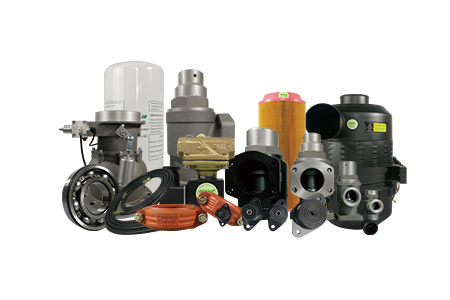
At Industrial Mech Parts, we supply a full range of high-performance replacement automatic drain valves, service kits, filter elements, and compressor valves compatible with global leading brands.
👉 Explore our complete catalog at industrialmechparts.com or send us your part numbers directly for a fast quote and technical datasheet!


Comments